Core Technical Parameters:
- Voltage Rating: 1,050V (rail-dedicated voltage class)
- Power Range: 190 kW (primary standardized power, compatible with serialized graded power)
- Pole Configuration: 4 poles
- Protection Class: IP55, IP56 (dust, water, and tunnel oil pollution protection)
- Insulation / Temperature Rise Class: Class 200 integrated insulation structure, with excellent temperature resistance, moisture resistance, and anti-aging performance
- Duty Type: Continuous duty (S1), compatible with vehicle normalized continuous operation conditions
- Rated Frequency: 5 Hz
- Rated Current: 131 A
- Rated Speed: 1,900 r/min
- Rated Torque: 955 N·m
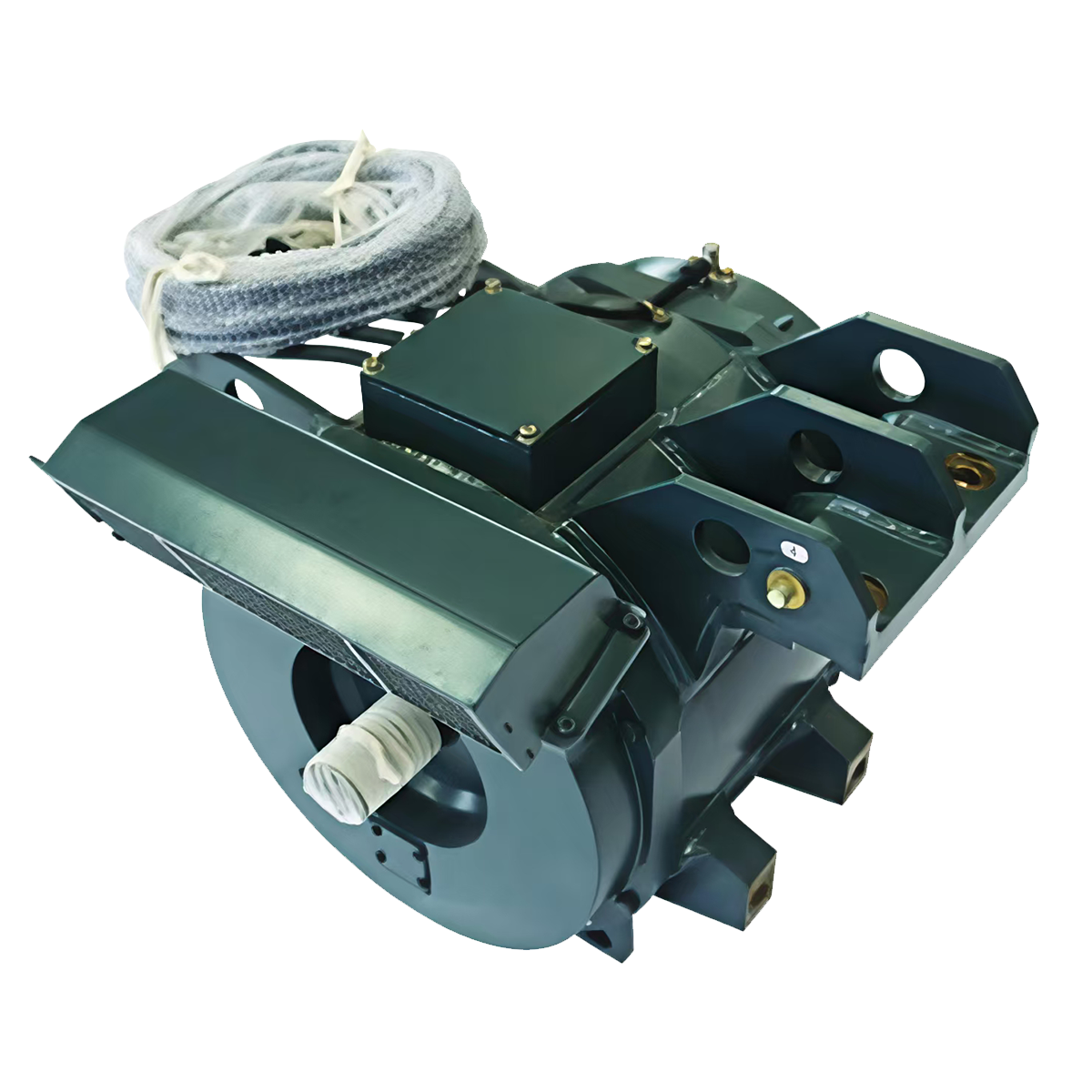
- Cooling Method: Forced air cooling, independent ventilation cooling, compatible with tunnel sealed heat dissipation environments
- Operating Characteristics: Constant-torque starting, constant-power speed regulation, with linear and smooth acceleration/deceleration, delivering excellent train operation experience
Product Features:
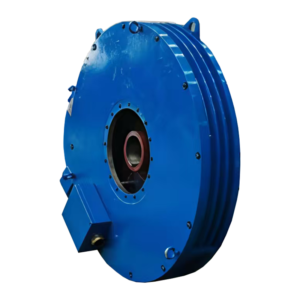
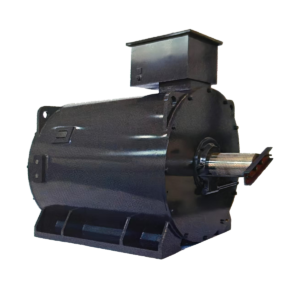
- Lightweight high-strength structure: Adopts frameless welded structure, with light overall weight, high structural strength, and excellent heat dissipation performance. Supports multi-specification derivative design, flexibly compatible with different OEM supporting requirements, with extremely strong versatility.
- Premium reliable insulation system: Equipped with mature and stable Class 200 integrated insulation structure, with excellent moisture resistance and reliable insulation performance, capable of long-term withstanding tunnel high-humidity and sealed high-temperature conditions, effectively extending overall motor service life.
- Low-consumption quiet ventilation design: Fluid-optimized dedicated ventilation structure, with low ventilation losses and low wind noise, substantially reducing motor operating noise and energy consumption, compatible with rail transit quiet operation requirements.
- High-reliability bearing configuration: Adopts dedicated insulated bearings paired with mature and reliable bearing lubrication structure, effectively avoiding shaft current damage, bearing seizure, and wear aging issues, ensuring motor long-term high-frequency stable operation.
- Strong operating condition adaptability: Specifically optimized for rail vehicle high-frequency start-stop, repeated acceleration/deceleration, and bumping vibration conditions, with excellent fatigue resistance and impact resistance, with long-term fault-free operation.
- Sufficient safety redundancy: Equipped with over-current, over-voltage, over-temperature, and overload multi-layer protection mechanisms, compatible with tunnel sealed and high-speed operation high-risk scenarios, with extremely high train operation safety.
- Low maintenance costs: Mature structure, low failure rate, convenient disassembly and inspection, compatible with rail transit large-scale and normalized operation maintenance.
Application Scenarios:
Specifically compatible with subway, urban rail, and light rail line Type A and Type B main rail vehicles, serving as the core traction drive system for various medium-to-low-speed rail vehicles, compatible with urban rail transit normalized, high-frequency, and continuous train operation conditions.
Note: The above are default parameters. Please contact the company for other special requirements.